Foliage: Low-Light Photosynthesis Survivors
Understanding light compensation points, foot-candles, and botanical resilience in dim apartment spaces.
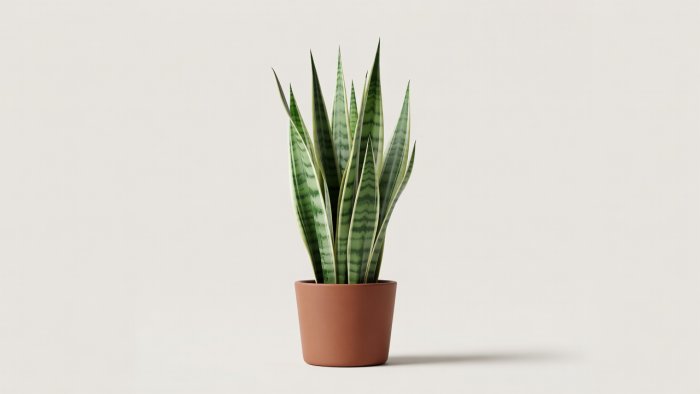
Plants require photon energy to synthesize glucose through chlorophyll complexes. However, "low light" in an apartment context does not signify complete darkness. Scientifically, indoor shade corresponds to 25 to 100 foot-candles (FC) of light. Below 25 FC, even tolerant species consume more sugars through cellular respiration than they generate, gradually entering systemic decline.
The Light Compensation Point (LCP)
Every plant has a biological threshold where carbon dioxide fixation matches carbon dioxide release via respiration. Understory species such as Aglaonema and Zamioculcas have remarkably low LCP values, allowing them to remain stable on mere ambient reflections bouncing off light-colored interior apartment walls.
Measuring Apartment Lux Without Expensive Gear
A simple paper test gives a reliable estimate. Hold a clean white sheet of paper perpendicular to your light source at midday. Place your hand 12 inches above the paper:
- Crisp, sharp shadow: Bright direct light (Over 1,000 FC) — Suitable for cacti, succulents, and ficus.
- Soft, fuzzy shadow: Medium indirect light (250–500 FC) — Ideal for monsteras, philodendrons, and ferns.
- Barely perceptible shadow: Low light (35–100 FC) — Reserved for ZZ plants, snake plants, and cast-iron plants.
Low-Light Watering Protocol
When sunlight levels drop, transpiration rates plummet in lockstep. A plant that drank a cup of water every five days during July may need water only once every 24 days during November. Always verify that the top 50% of the soil mass has dried before introducing additional moisture.